
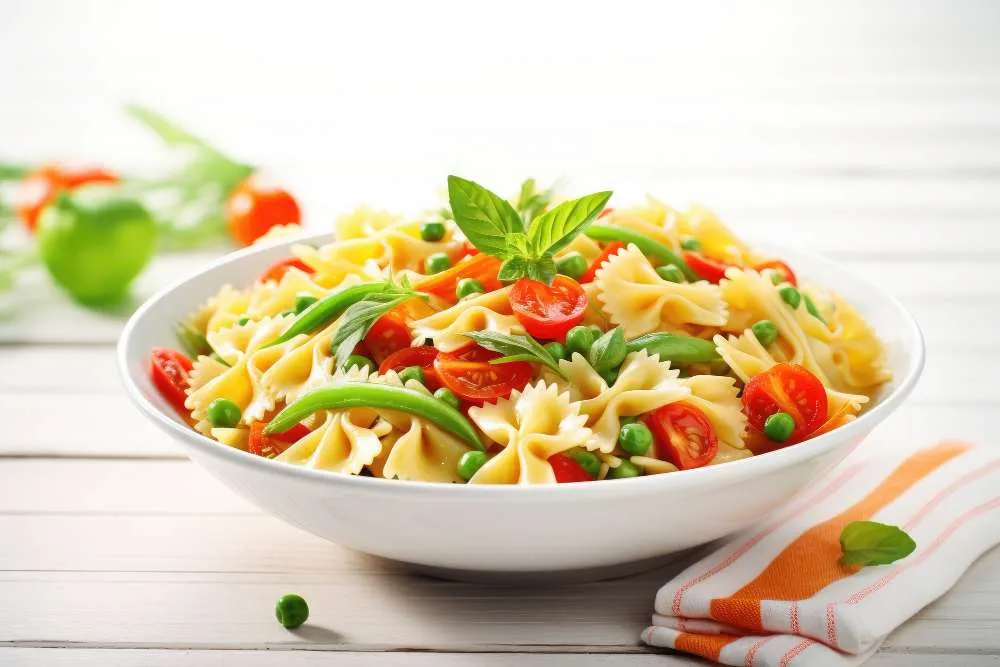
Pasta is a dish that has endured the test of time with its roots reaching back hundreds of years and continents. From Italy to Asia with plates of noodles, and a bowl of pasta you feel at home even if you are away from your country. But how did this humble yet amazing food begin and become the lavish tasty experience we have today? Flour, eggs, and water. — — Simple ingredients for one of the world’s favorite comfort foods: pasta! The ancient roots of this staple food with cultural significance will be unraveled today as we delve into a little bit of pasta history.
The Ancient Pasta Debate
Food historians have long debated the origins of pasta. According to the usual story, pasta was introduced to Italy from China around the late 13th century by Marco Polo, the famous Venetian explorer. Sounds like a good story, but it is more myth than fact. But pasta existed in Italy long before Polo.
The truth is, pasta did exist in ancient civilizations- the Etruscans and the Greeks both ate a form of noodle that was basically made from wheat and water. There is also evidence that pasta-style dishes were being made as far back as ancient Rome, with references to a dish called lagane which resembled the sheets in lasagna.
Pasta in Different Cultures: Global Influence
Italy seems to be the champion of popularizing pasta but it was not just Italy that helped drive its growth as much letting role in developing this food. Chinese historians contest that such a concept is impossible as it would have taken some of the Chinese culinary process for the formation of pasta to happen. Chinese have been eating noodles with millet and other grains for thousands of years and major archaeological digs discovered noodle equipment there up to 4000 years ago.
In a similar manner, the Arab cultures of the Middle East developed a dried version of pasta called “itriyah” which they carried for long periods while traveling.
Pasta’s Journey to Italy
But it was Italy where pasta really took off and became an art form. The Mediterranean climate created the perfect conditions to grow durum wheat, a major ingredient in the original forms of pasta as it is known today. It was already a staple in southern Italy by the 12th century, at least around Sicily and Naples.
This is because durum wheat made its way to Italy, where the prevailing theory is that it was altered and dried in the sun (which would nicely turn into commercial pasta), incorporating it with their silk road connections and making pasta out of carnivals no longer an exotic dish. The gluten content in durum wheat was so high it had pasta able to retain its form during cooking which in turn led to the pasta-making techniques still seen today.
Pasta became popular in all social classes during the Renaissance. A favourite now among the common people, due to its low cost and adaptability, it was long past being a meal of the elite. These iconic tomato sauces are largely limited to the geographic regions where tomatoes took hold, as virtually all other fundamental Italian pasta preparations precede the arrival of the nightshade.
The Industrial Pasta Revolution
This means that pasta may have originated from the hands of a few old Italian women scattered throughout the mountains, cultivated in small kitchens, and not common in every household until well into the 18th century when mass production could feed Italy’s expanding population. During the Industrial Revolution, pasta extruding machines were developed which made it easier to produce in greater quantities and also cheaper for people to buy.
Not only did pasta become dear to Italy, but its inhabitants soon spread out across much of the world in increasingly large numbers starting from the 19th and early 20th centuries due to migration and conquest. It was the immigrants who arrived from Italy that introduced pasta to the Americans, and as is common all across America with immigrant foods, they were immediately embraced and welcomed into America’s own great national cuisine. Throughout the course of the 20th century, pasta became a worldwide household staple enjoyed in infinite forms and flavored with an endless variety of sauces to cater to regional palates.
Pasta Types: The Perfect Shape for Every Sauce
Pasta, amongst other things, is unlimited in its variety of shapes and sizes and none more intriguing than another. They all play a part in the world of Italian cuisine, from spaghetti to penne, sulla and farfalle. Pasta shapes frequently dictate the best kind of sauce inclusion. Briefly: long and thin pasta as spaghetti goes well with a light oil-based sauce; ridged pasta like rigatoni does the job for bearing up under hearty meat-based sauces.
If you’re interested in how pasta ended up being developed in all 600 distinct forms and what they represent when eaten just like a native, our pals over in the Meals Lab can help. Northern Italy has all the filled pasta — ravioli and the like — while down south you get those dried, store-bought noodles and thicker, chunky sauces.
Pasta Goes Modern: Culinary Renaissance of Pasta Around the World
Today, pasta is internationally recognized as a national Italian cuisine. Well, in as many forms and variations as this gastronomical wonder is relished – the conventional Italian preparation or a fusion of flavors from all over the globe into pasta dishes. Pasta is an essential ingredient in family meals in the United States and has been incorporated into dishes in places like Asia as pad Thai or ramen.
Pasta is a food that, given some time and care in preparation, will not disappoint. The choices are endless – whether a foundation for an elaborate restaurant creation or in a bowl at home for a quick weeknight meal. You can bet that with the rise of gluten-free and whole-grain pasta options, it has likewise evolved to appeal to modern tastes, thus earning its place in kitchens around the globe.
The Timeless Appeal of Pasta
The history of pasta is a rich and flavorful journey through time, culture, and geography. From its debated origins in ancient civilizations to its global domination today, pasta has proven to be an adaptable and beloved food.
As pasta continues to evolve and inspire new generations of chefs and home cooks alike, one thing is certain: its rich history is far from over, and its future is just as promising.
El Pastaman celebrates the history of pasta by bringing its timeless flavors to your table. Join us in exploring new and delicious pasta dishes inspired by this rich culinary tradition.