
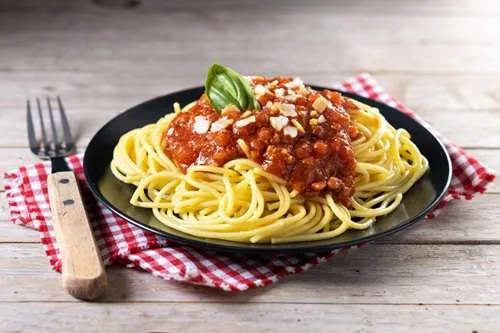
When it comes to comfort food, pasta Bolognese ranks high with its rich, hearty, and satisfying flavors. Originally from Bologna in Italy, this timeless dish is a beautiful balance between slow-cooked meat sauce, aromatic vegetables, and perfectly cooked pasta.
While it might appear simple, making an authentic Bolognese actually requires patience, attention to detail, and an understanding of how ingredients work together. Whether you’re cooking for a cozy night in or looking to impress dinner guests, this guide will teach you how to make classic pasta Bolognese like a professional chef-right in the comfort of your kitchen.
The Origins of Pasta Bolognese
Before going into the recipe, it’s worth understanding where pasta Bolognese comes from. In Italy, this is known as ragù alla bolognese, a dish that was first documented in the 18th century and later refined in Bologna. Unlike tomato-heavy versions often found outside Italy, traditional Bolognese is a slow-cooked meat sauce with a base of finely chopped vegetables, wine, and a touch of milk or cream for richness. It’s not just about the sauce; it’s about layering flavors that slowly build into something complex and irresistible.
While traditionally in Bologna the sauce is served with tagliatelle rather than spaghetti, since the broad noodles hold the thick sauce better, today many variations use spaghetti, fettuccine, or even penne, depending on preference.
Essential Ingredients for the Perfect Bolognese
One ingredient selection separates an amateur from a chef: cooking pasta Bolognese. The critical difference is quality and freshness.
1. The Meat:
Traditional Bolognese employs the combination of ground beef and pork to balance flavor and texture. The beef gives depth; the pork supplies sweetness and fat that enrich the sauce; and some chefs add pancetta for a subtle smokiness. For best consistency, shoot for an 80/20 ratio of lean to fat.
2. The Aromatic Base (Soffritto):
The backbone of any decent Italian sauce is a proper soffritto-a mixture of finely diced onion, carrot, and celery. These vegetables form a naturally sweet base that mellows the acidity of the tomatoes and adds depth to the meat.
3. The Liquids:
Traditionally, white or red wine is used for deglazing in a pan. White wine gives a lighter sauce, while red wine offers a deeper, richer one. A splash of milk or cream, later on in the cooking process, softens the acidity of the tomato and provides the sauce with a velvety texture.
4. The Tomatoes:
Use high-quality canned tomatoes, tomato paste, or crushed tomatoes. The goal isn’t a bright, fresh tomato flavor but rather a deep, slow-cooked richness.
5. Seasonings and Herbs:
Salt, pepper, bay leaves, and nutmeg are classic additions. Nutmeg is very subtle but accents the natural flavor in the meat quite beautifully. Some chefs add a touch of thyme or rosemary for a more aromatic profile.
Step-by-Step: How to Make Pasta Bolognese Like a Chef
Step 1: Prepare the ingredients
Finely dice the onions, carrots, and celery in preparation. Have your ground meat, wine, tomatoes, and milk at hand. Cooking Bolognese is all about timing, so it will be easier if you have everything ready in advance.
Step 2: Make the Soffritto
In a large, heavy-bottomed pot, heat the olive oil or butter over medium heat. Add the onions first, allowing them to soften without browning. Then, add the carrots and celery. Cook the vegetables until they become tender and aromatic, which should take about 8–10 minutes.
Step 3: Brown the Meat
Add the ground beef and pork. Break the meat up with a wooden spoon and let it cook until it is no longer pink. Make sure to brown the meat properly rather than just steaming it; this builds the foundation for a deep, rich flavor.
Step 4: Deglaze with Wine
Once the meat is browned, pour in your chosen wine. Scrape the browned bits off of the bottom of the pan-these add incredible flavor. Allow the wine to simmer until it has mostly evaporated, leaving behind a concentrated richness.
Step 5: Add the Tomatoes and Simmer
Stir in the tomato paste and crushed tomatoes. Mix well, seasoning with salt, pepper, and a pinch of nutmeg. Reduce the heat to low and let the sauce simmer, uncovered, for at least 1.5 to 2 hours, stirring occasionally. The longer it cooks, the more the flavors meld together.
Step 6: Top with milk or cream.
Towards the end of the simmering, stir in milk or cream to mellow the sauce and add silkiness. Taste and adjust seasoning as needed.
Step 7: Cook the Spaghetti
While the sauce cooks, bring a large pot of salted water to a boil and cook your pasta tagliatelle, pappardelle or spaghetti until it’s al dente. Reserve a small cup of the pasta water to loosen the sauce if needed.
Step 8: Assemble and Serve
Drain the pasta and add it directly into the sauce, tossing to coat every strand. If too thick, add a splash of the reserved pasta water. Serve immediately, topped with freshly grated Parmesan cheese and perhaps a sprinkle of parsley for color.
Chef’s Tips for Perfect Bolognese
1. Don’t Rush the Process:
Bolognese is a sauce that’s cooked slowly. Hours of simmering make the meat tender and the flavors well-blended. Patience is key.
2. Use Fresh Ingredients:
Fresh vegetables, good quality meat, and real cheese make this dish go from great to restaurant quality.
3. Balance the flavors:
Taste and adjust along the way. If it gets too acidic, just add a little more milk. If it’s flat, it just needs a touch of salt or a drizzle of olive oil to awaken the flavors.
4. Cook the Pasta Right:
Salt the pasta water liberally, so that it tastes of the sea. This gives flavor to the pasta and makes sure it’s seasoned enough to balance out the sauce.
5. Let It Rest:
Also, when serving your Bolognese sauce after cooking, let it rest for a few minutes. This way, it thickens up a bit, and the flavors all settle in.
Pairing and Serving Ideas
Classic pasta Bolognese is satisfying on its own, but pairing it well can elevate your dining experience.
- Wine Pairing: A medium-bodied red such as Chianti, Barbera, or Merlot pairs beautifully with the richness of the sauce.
- Side Dishes: Accompany with garlic bread, roasted vegetables, or a fresh Caesar salad.
- Presentation: Serve in shallow bowls, not on plates, as this helps to retain heat and also holds up to the sauce better. A light drizzle of olive oil or extra Parmesan on top lends a chef’s finishing touch.
- Modern Twists on the Classic Recipe While tradition is important, chefs today often experiment with new versions of Bolognese to suit different tastes:
- Turkey or Chicken Bolognese: A lighter alternative made with leaner protein.
- Vegetarian Bolognese: Use lentils, mushrooms, or textured vegetable protein instead of the meat for a full-bodied plant-based version.
- Spicy Bolognese: Add a pinch of chili flakes or spicy Italian sausage for the kick.
- Creamy Bolognese: Blend in ricotta or mascarpone into the sauce for extra creaminess.
These variations keep the soul of the dish alive while permitting some creativity in the kitchen.
Making classic pasta Bolognese like a chef is all about layering flavors, using quality ingredients, and taking your time. From the aromatic soffritto to the slow simmer of the sauce, every step contributes to the dish’s signature depth and richness.
Whether you’re serving it to family or friends, this timeless Italian masterpiece never fails to impress. So, put on your apron, pour yourself a glass of wine, and cook away because once you’ve made Bolognese the authentic way, you will never look at Pasta Sauce the same again.